
















































Islamabad Floods: Heavy Rain Claims Lives, Emergency Declared
Heavy rain triggers floods in Islamabad, leaving several dead and prompting a citywide emergency as rescue teams battle rising waters.

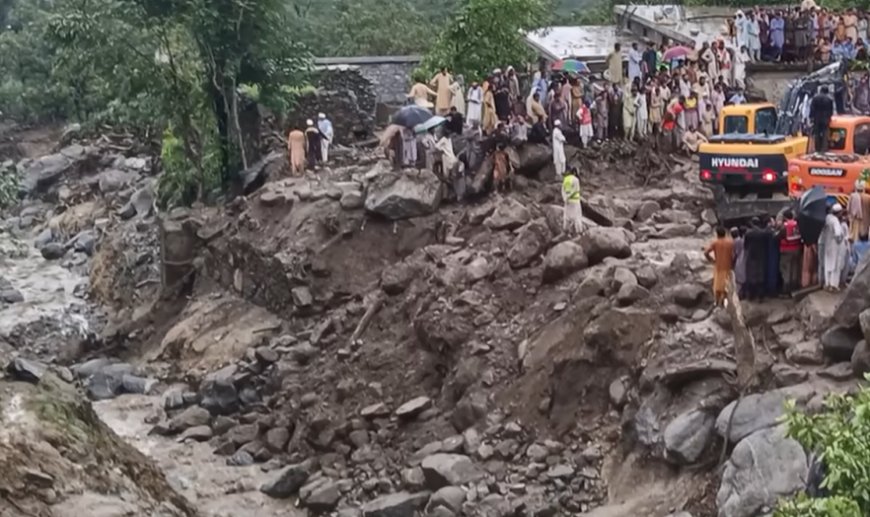
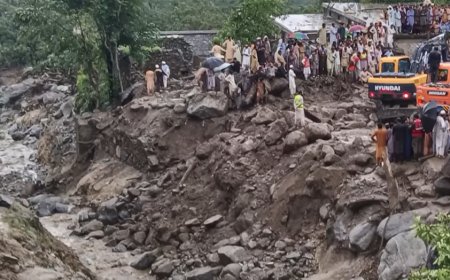
Islamabad, the capital of Pakistan, was struck by one of the heaviest rainfalls in recent memory this week. The flash floods swept through residential neighborhoods, submerged roads and tragically claimed multiple lives. The disaster has thrown the city into chaos, exposing once again the vulnerability of Pakistan’s urban centers to extreme weather and climate change. According to the Pakistan Meteorological Department, Islamabad recorded over 200 millimeters of rain in just a few hours. The intensity of the downpour overwhelmed drainage systems, causing water to surge through streets, markets and housing colonies.
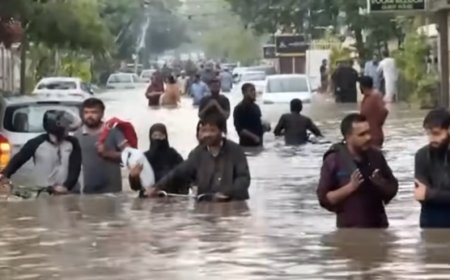
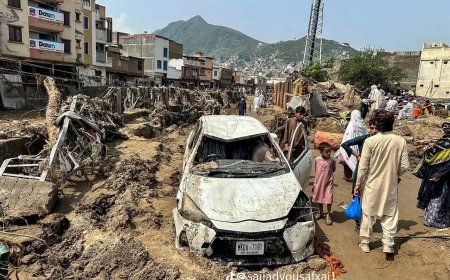
At least dozens of people were reported killed due to electric shocks, building collapses and drowning in fast-moving floodwaters. Rescue teams have recovered bodies from submerged vehicles and homes in low-lying areas. Many of the victims were from working-class neighborhoods such as I-10, Bhara Kahu and Rawal Town where infrastructure is weakest. Videos circulating on social media showed cars being swept away, houses inundated and residents scrambling for safety as floodwaters surged with frightening speed.
Thousands of residents have been displaced and forced to leave their homes due to rising water levels. Hospitals across the city reported a sharp increase in patients suffering from waterborne diseases like gastroenteritis, diarrhea and skin infections. The Prime Minister and federal cabinet expressed deep grief over the loss of lives, promising immediate relief for the affected families. The Pakistan Army was deployed alongside local police, CDA teams and Rescue 1122 to assist in evacuations and relief work. Helicopters were used to airlift people trapped in flooded areas, while boats were deployed to ferry residents to safety.
Urban planners and climate experts argue that Islamabad’s floods were a disaster waiting to happen. Over the years, rapid urban expansion has encroached on natural waterways and storm drains, reducing the city’s ability to channel excess rainwater. The recent floods in Islamabad have left a city in mourning with lives lost, families shattered and infrastructure crippled. Pakistan cannot afford to treat such disasters as one-off events. Saving the capital and indeed Pakistan’s future requires bold political will, long-term investment and a shift in mindset from crisis management to resilience building.
What's Your Reaction?
 Like
5
Like
5
 Dislike
0
Dislike
0
 Love
0
Love
0
 Funny
0
Funny
0
 Angry
0
Angry
0
 Sad
0
Sad
0
 Wow
0
Wow
0