
























































Japan Sets 2-Hour Daily Smartphone Limit to Curb Youth Addiction
Japan introduces a two-hour daily smartphone usage cap to protect young people from digital addiction, aiming to promote healthier lifestyles and better mental well-being.

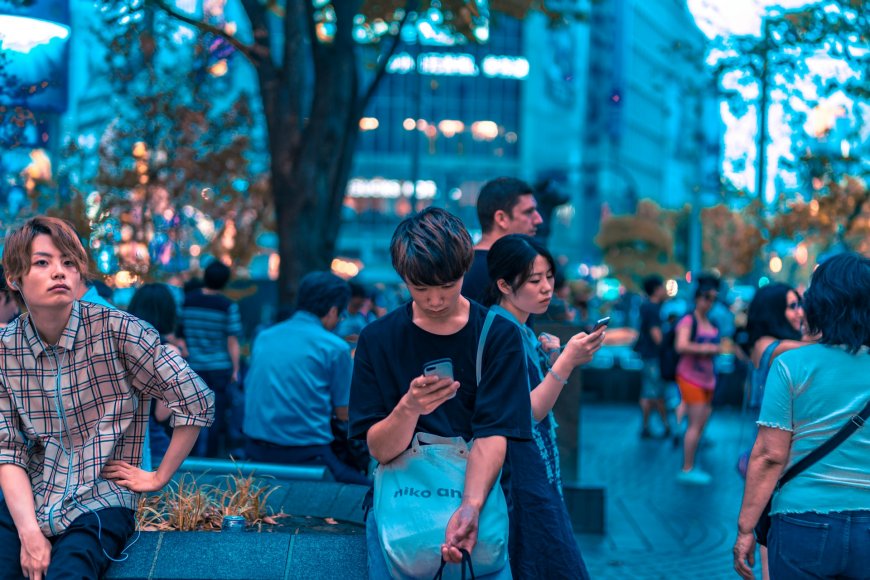
Japan decided to safeguard its younger generation from the growing risks of digital addiction. It has announced a new policy that limits smartphone usage for children and teenagers to just two hours a day. This regulation comes after rising concerns over the impact of excessive screen time on mental health, academic performance and social development. Teachers hope that reduced screen time will improve classroom engagement and reduce distractions from social media.
Under the new rules, children under 18 will be restricted to a maximum of two hours of smartphone use per day. Parents and guardians will be given tools and apps to monitor and manage usage. Local governments and schools will also play a role in raising awareness and providing guidance to families. They will also ensure that young people adhere to the restrictions. While the law does not impose criminal penalties, therefore non-compliance may lead to advisory warnings. In some cases, there will be restrictions on access to certain digital services.
Officials say the measure is not intended to completely cut children off from technology but to encourage healthier habits and reduce dependency on smartphones for entertainment and social interaction. Studies by Japan’s Ministry of Health, Labour and Welfare revealed that more than 65% of teenagers spend over four hours daily on smartphones, with many exceeding six to eight hours. Japan is not alone in grappling with this issue. Governments worldwide are increasingly recognizing the risks of unregulated screen time.
The core philosophy behind the initiative is balance. Japanese policymakers stress that technology itself is not harmful. In fact, smartphones can enhance learning, provide access to knowledge and foster creativity. However, excessive and unregulated use shifts the balance towards dependency and harm. By introducing the two-hour rule, Japan hopes to cultivate a generation of young people who are digitally literate but not digitally dependent. Authorities also plan to complement the policy with programs that encourage outdoor activities, sports and face-to-face social interactions to replace excessive screen time.
What's Your Reaction?
 Like
4
Like
4
 Dislike
0
Dislike
0
 Love
0
Love
0
 Funny
0
Funny
0
 Angry
0
Angry
0
 Sad
0
Sad
0
 Wow
1
Wow
1