



















































KPK Floods: Causes, Impacts & Recovery Strategies for a Resilient Future
Discover the main causes of KPK floods, their devastating impacts on people, economy, and environment, and explore effective recovery and prevention strategies for a safer future.

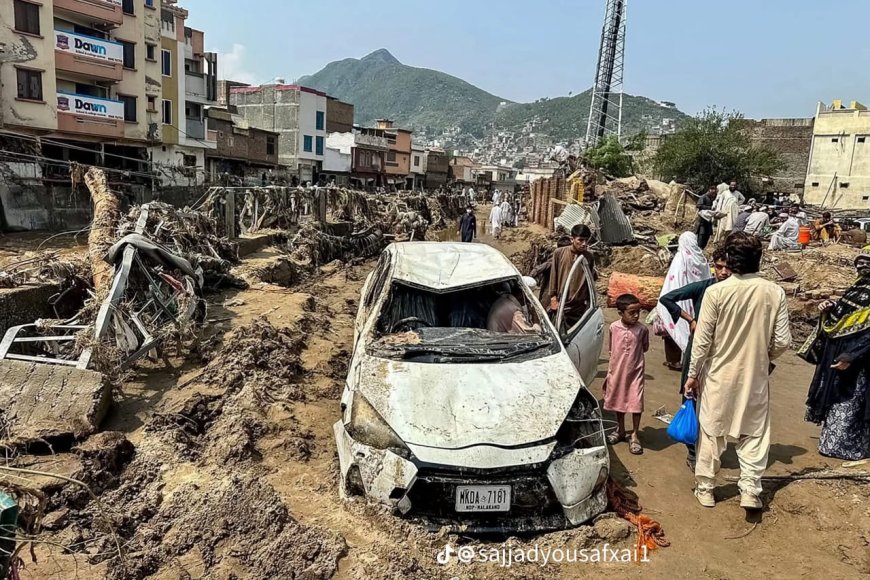
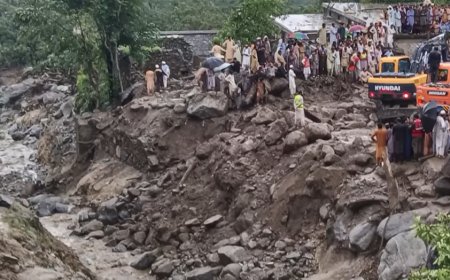
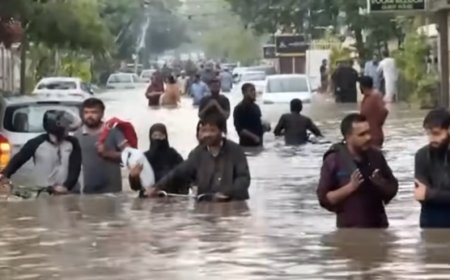
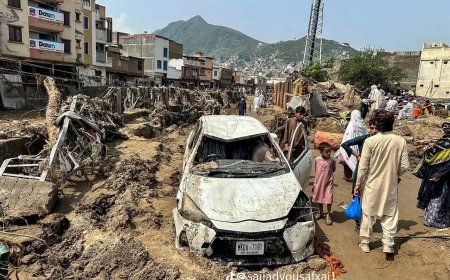
Khyber Pakhtunkhwa is one of Pakistan’s most geographically diverse provinces. It has repeatedly faced the devastating consequences of seasonal flooding. Located at the confluence of mountains, rivers and valleys, the region is particularly vulnerable to climate induced disasters. In recent years, unprecedented rainfall, glacial melt and mismanagement of water resources have contributed to recurring floods that have wreaked the lives, economy and infrastructure of the province.
The KPK floods are not just a natural calamity but also a reminder of the urgent need for climate adaptation, sustainable development and disaster management strategies in Pakistan. Pakistan is among the top 10 countries most vulnerable to climate change. In KPK, rainfall patterns have become increasingly unpredictable. Sudden cloudbursts and heavy monsoon showers overwhelm rivers such as the Swat, Kabul and Panjkora. It caused flash floods that swept away homes and agricultural fields.
KPK is home to numerous glaciers, particularly in the Chitral, Swat and Upper Dir regions. Rising global temperatures have accelerated glacial melting and feeding rivers beyond their natural capacity. Glacial Lake Outburst Floods are also becoming more frequent, creating sudden surges of water that devastate downstream communities. Unregulated deforestation in KPK has drastically reduced tree cover, particularly in Swat, Dir and Kohistan. Forests act as natural barriers to floods by absorbing rainwater and stabilizing soil. Without this protective shield, rainwater quickly turns into torrents, causing landslides and riverbank erosion.
Rapid urbanization without proper drainage systems, coupled with inadequate flood protection has made cities and towns highly vulnerable. Informal settlements near riverbanks and floodplains are disproportionately affected. The federal cabinet has decided to donate one month’s salary to support those affected by the recent floods in Khyber Pakhtunkhwa. This decision came during a high-level meeting led by Prime Minister Shehbaz Sharif where officials reviewed ongoing relief efforts for people impacted by heavy rains and flooding.
The floods in Khyber Pakhtunkhwa are not merely seasonal disasters but they are a manifestation of the larger climate crisis, poor governance and inadequate infrastructure. While natural factors like rainfall and glacial melting play a major role. Human activities such as deforestation, unplanned urbanization and neglect of disaster management have worsened the problem. To safeguard the future of KPK’s people, Pakistan must adopt a comprehensive approach that combines immediate relief with long-term resilience strategies.
What's Your Reaction?
 Like
4
Like
4
 Dislike
0
Dislike
0
 Love
0
Love
0
 Funny
0
Funny
0
 Angry
0
Angry
0
 Sad
0
Sad
0
 Wow
0
Wow
0