





























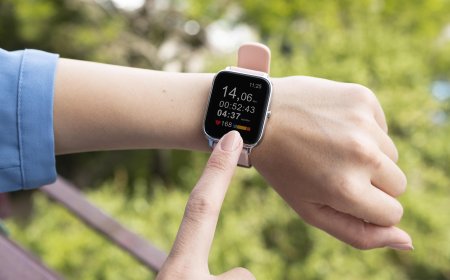



























Wearable Tech and Player Performance: How Technology Tracks Every Move
Discover how wearable technology is revolutionizing sports performance. Learn how devices track player movement, analyze data, and boost training, strategy, and injury prevention.


In the world of modern sports, the smallest competitive edge can make the difference between victory and defeat. Coaches, trainers and athletes are turning to a powerful ally in this quest. From heart-rate monitoring to GPS-enabled smart shoes, these devices are transforming how performance is measured, analyzed, and optimized. By tracking every movement, wearable tech is not only enhancing athletic ability but also revolutionizing training, injury prevention and game strategy.
The concept of tracking athletic performance is not new. Stopwatches, clipboards and manual stats sheets have been around for decades. New thing is the precision, immediacy and breadth of data wearable devices are providing now. Wearable technology in sports took off in the late 2000s with basic pedometers and fitness bands. Now it has rapidly evolved into highly sophisticated systems. Today’s devices can measure speed and acceleration, distance covered, heart rate variability, oxygen saturation, sleep patterns, body temperature and hydration. These metrics allow athletes and coaches to make data-driven decisions rather than relying solely on intuition or experience.
Data is often transmitted wirelessly to a smartphone, tablet or dedicated team dashboard. This real-time connectivity means adjustments can be made on the fly which includes tweaking a training drill or substituting a fatigued player before injury strikes. Wearable tech can detect early signs of overtraining or excessive strain. A basketball player’s jump count and landing force can be monitored to prevent knee injuries. Similarly, GPS trackers can flag when a soccer player has exceeded safe running loads in a session.
Post-match recovery is just as important as training. Devices can track sleep quality, resting heart rate and muscle oxygenation to ensure athletes are ready for their next performance. In team sports, wearables provide valuable positional and movement data. Coaches can analyze heat maps, passing patterns and spacing to adjust strategies for better on field execution. The next generation of wearable sports tech will go beyond just tracking and move into predictive analytics. Artificial Intelligence will help forecast injury risks, suggest personalized training adjustments and even analyze opponent tendencies based on movement patterns.
What's Your Reaction?
 Like
4
Like
4
 Dislike
0
Dislike
0
 Love
0
Love
0
 Funny
0
Funny
0
 Angry
0
Angry
0
 Sad
0
Sad
0
 Wow
0
Wow
0